
Switzerland
Switzerland travel guide
Alpine villages, trains and lakes, plus how to get around Switzerland and stay online.
Published 2026-08-30
Overview
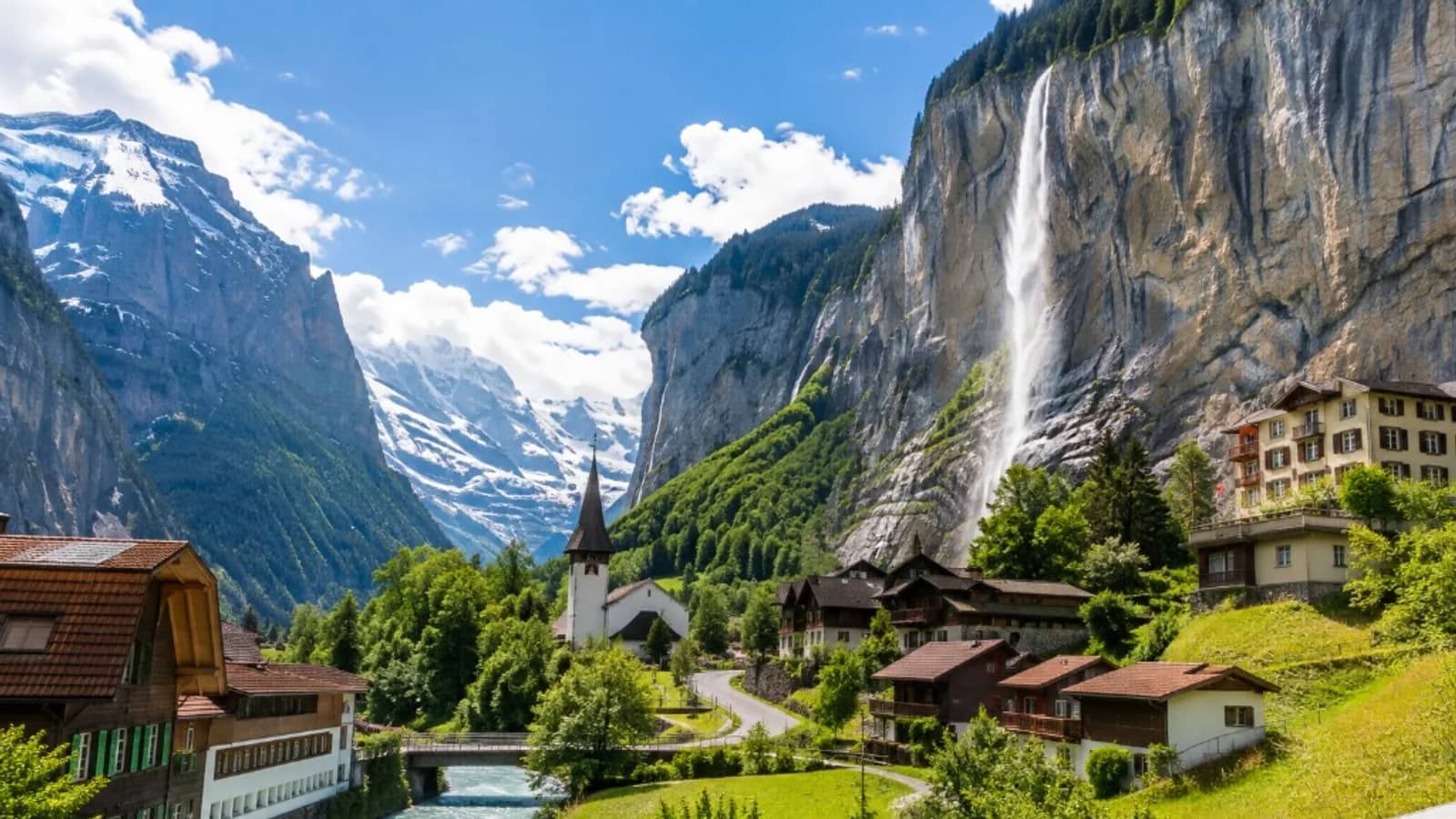
Switzerland suits scenic, unhurried travel: mountain trains that are attractions in their own right, lakeside cities like Zurich, Geneva and Lucerne, and alpine villages that make even a short stopover feel like a proper trip. It's a compact country, and the rail network makes it easy to base yourself in one city and take day trips into the mountains.
Summer (June to September) is ideal for hiking and lake activities, while winter (December to March) draws visitors to the ski resorts. Shoulder seasons are quieter but some mountain attractions have reduced access outside peak periods.
Getting around
- Zurich and Geneva both have major international airports with excellent rail connections into the city
- The Swiss rail network is famously punctual and covers even small mountain villages
- A Swiss Travel Pass can be worthwhile if you're taking multiple long-distance trains and mountain railways
- Scenic routes like the Glacier Express or Bernina Express are worth planning a full day around
Mobile data and connectivity
Compare live BrisqNet eSIM plans for Switzerland before your trip, and install before you fly. Mountain scenery photographs well, and a working connection makes it easy to check trail conditions, cable car schedules, and weather before heading up into the Alps.
- Coverage is strong in cities and along major rail routes; higher alpine areas and remote valleys can have gaps
- Weather and trail conditions change quickly in the mountains — check them on the day rather than relying on information from the night before
- Switzerland isn't in the EU, so if your trip also covers EU countries, check whether your BrisqNet plan needs to be Switzerland-specific
Practical tips
- The currency is the Swiss franc, not the euro, even though the country borders several eurozone neighbours
- Switzerland is one of Europe's more expensive destinations — budget accordingly for food and accommodation
- Punctuality is genuinely important; trains and connections run on precise schedules
- Trail markers on hiking routes are well maintained and colour-coded by difficulty — follow them rather than shortcuts
Choose data for Switzerland
Live BrisqNet plans for Switzerland, priced in your currency.
Data
3 GB
3 Days
3 GB · 3 Days
Data
5 GB
7 Days
5 GB · 7 Days
Data
10 GB
15 Days
10 GB · 15 Days
Data
20 GB
30 Days
20 GB · 30 Days
Visiting several European countries?
View Europe plans →FAQs
Do I need a visa for Switzerland?
Switzerland is part of the Schengen area for travel purposes, and requirements depend on your nationality and length of stay. Check official government guidance before booking.
Does my BrisqNet eSIM work in the mountains?
Coverage is generally strong even at many mountain resorts, though higher altitudes and remote valleys can have weaker signal, which is normal for any mobile network in alpine terrain.
Is Switzerland covered by a regional Europe eSIM plan?
Coverage varies by plan — check exactly which countries a regional plan includes before you buy, since Switzerland's inclusion isn't guaranteed on every European regional plan.
Also read our eSIM installation guide.